 Common Red Flags
Identifying possible RED FLAGS can have a profound impact on patient care. The following six signs/symptoms could save a person’s life and/or accelerate the need for helpful interventions.
-
 Unexplained Weight Loss or Night Sweats
-
Why it matters: These may suggest systemic illnesses such as infection or cancer.
-
Clinical scenario: A patient with persistent back pain who reports losing 10 pounds in a month without dietary changes should raise concern.
-
 Severe, Progressive Neurologic Deficits
-
Why it matters: Weakness, numbness, or loss of motor control (especially bowel or bladder dysfunction) may indicate spinal cord compression or cauda equina syndrome.
-
Clinical scenario: A positive Straight Leg Raise combined with saddle anesthesia and urinary retention requires immediate referral.
-
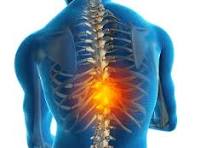 Pain That Does Not Change With Movement or Position
-
Why it matters: Musculoskeletal pain typically varies with activity or posture. Constant, unrelenting pain—especially night pain unrelieved by rest—raises suspicion for tumor, infection, or visceral referral. This is known as “non-mechanical” pain.
-
Clinical scenario: A patient with mid-thoracic pain that is constant and worsens at night should not be assumed to have a simple muscle strain.
-
 Signs of Infection
-
Why it matters: Joint infections and osteomyelitis can present as acute musculoskeletal pain. Look for fever, chills, redness, warmth, and elevated inflammatory markers.
-
Clinical scenario: A swollen knee that is hot, red, and exquisitely tender after recent surgery should trigger urgent medical referral.
-
 History of Cancer with New Musculoskeletal Pain
-
Why it matters: Bone metastases often mimic orthopedic injuries.
-
Clinical scenario: A breast cancer survivor with new-onset hip pain should not simply be treated for bursitis until metastasis is ruled out.
-
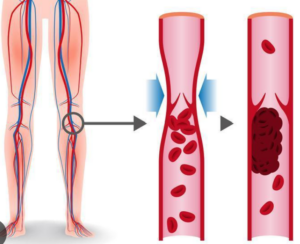 Vascular Compromise
-
Why it matters: Diminished pulses, pallor, or unexplained swelling may indicate vascular occlusion or deep vein thrombosis (DVT).
-
Clinical scenario: A patient with calf pain, swelling, and positive Well’ Score should be referred for imaging to rule out DVT. FYI – Homan’s sign has poor metrics (Sensitivity = 35-48%, Specificity = 41%, (+) LR = 0.81, (-) LR = 1.27)
 Call to Action
Clinicians must remain vigilant for red flags that point to systemic or serious conditions. Recognizing when to stop and refer out is not a failure, it’s a critical component of responsible, patient-centered care. Failure to do so could delay medical intervention and place the patient at risk. Instead, shift your role from diagnostician to patient advocate by facilitating referral to the appropriate provider.
More cutting-edge orthopedic information can be obtained by subscribing to iOrtho+ PREMIUM Web App at https://iortho.xyz/ Subscription is only $9.99/year or $1.99/month. All updates are FREE with an active subscription.
If you would like to learn more about the Mobil-Aider orthopedic arthrometer to quantify joint mobility, please visit: https://iortho.xyz/products/